Unlocking the Future of Coffee: Why the Nagoya Protocol Matters Now More Than Ever
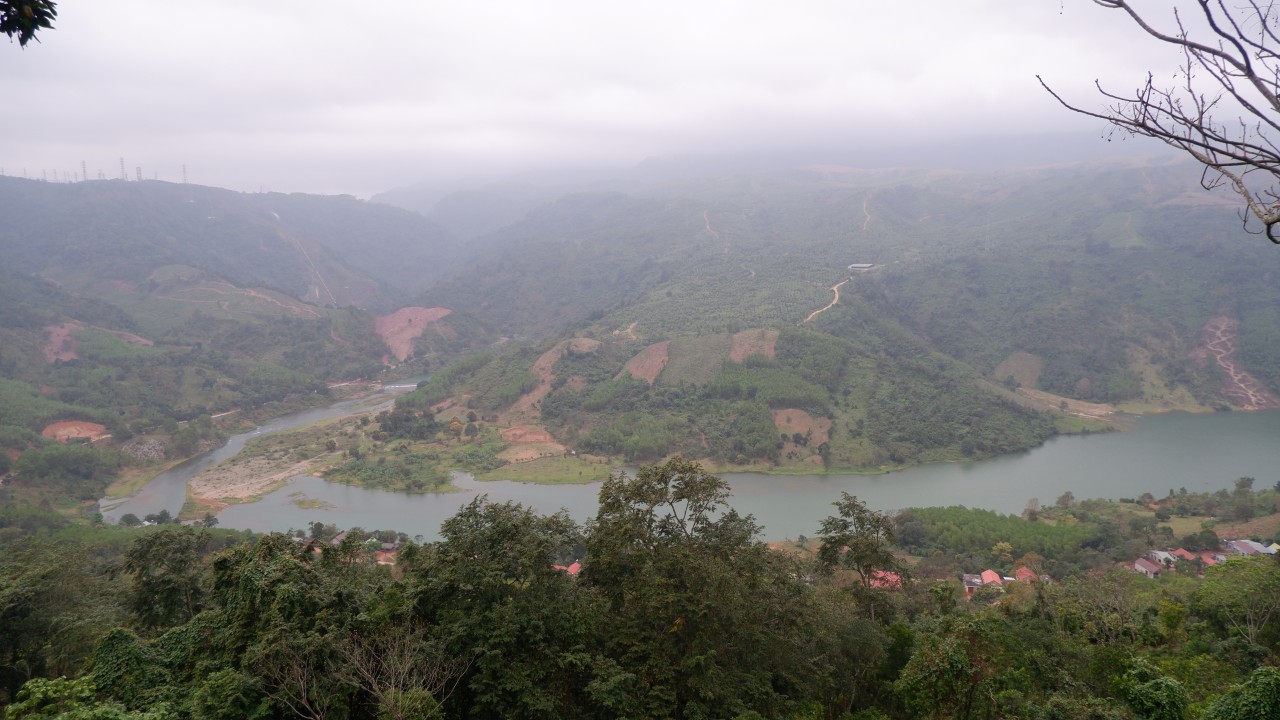
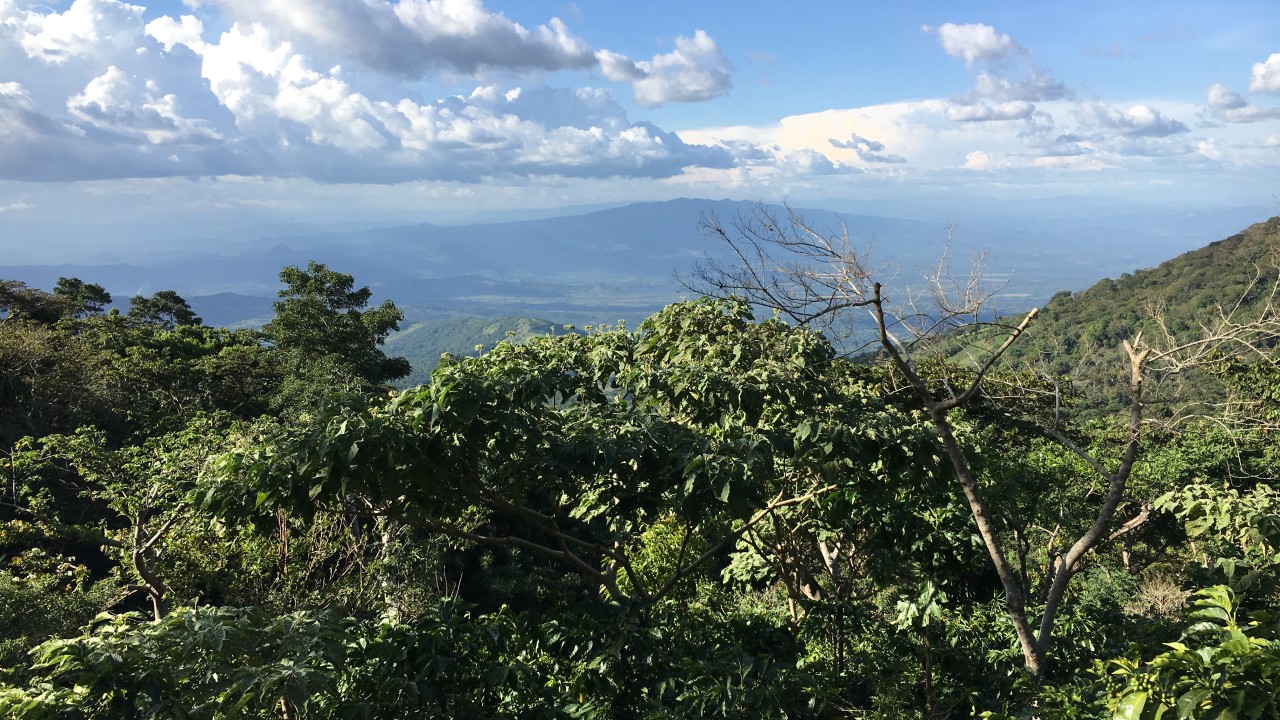
High in the cloud forests of Madagascar, wild coffee trees cling to the slopes of misty hills. These ancient plants – some on the brink of extinction – hold the genetic keys to our morning rituals, global economies, and the resilience of coffee in a changing climate. But as science races to tap into this genetic goldmine, a crucial question lingers: who owns nature’s blueprint – and who gets to benefit?
At the heart of this question lies a little-known yet powerful legal framework: the Nagoya Protocol. For the global coffee community, from smallholder farmers in Africa to roasters in Europe and geneticists in Latin America, understanding this agreement is no longer optional – it is essential for the survival, sustainability, and sovereignty of coffee itself.
What Is the Nagoya Protocol?
Adopted in 2010 and in force since 2014, the Nagoya Protocol is an international agreement under the Convention on Biological Diversity (CBD). It governs how genetic resources – like the DNA of coffee trees – are accessed and how the benefits arising from their use are shared fairly and equitably with the countries and communities that provide them.
The principle is simple: if a company, researcher, or institution wants to use a plant’s genetic material from another country, they must first obtain Prior Informed Consent (PIC) and negotiate Mutually Agreed Terms (MAT) for benefit-sharing – financial or otherwise.
But applying these principles in the real world is anything but simple.
Coffee and the Protocol: A Complicated Relationship
Coffee – especially wild and landrace species like Coffea liberica, C. racemosa, or C. stenophylla – is native to a few tropical countries but enjoyed globally. Its genetic diversity is essential for breeding varieties that resist disease, tolerate heat, or produce extraordinary flavour profiles. However, most of these wild relatives are conserved in national genebanks or natural habitats that fall under sovereign jurisdiction.
Yet, unlike crops such as wheat or rice, coffee is not included in the Multilateral System (MLS) of the FAO International Treaty on Plant Genetic Resources for Food and Agriculture (ITPGRFA). This exclusion means coffee is subject to bilateral ABS agreements under the Nagoya Protocol – a regulatory maze that many institutions are still struggling to navigate.
Bottlenecks in Conservation and Exchange
According to a comprehensive 2025 survey coordinated by the Crop Trust, the International Coffee Organization (ICO), and other stakeholders, the landscape is riddled with challenges:
- Genebanks lack digitised, publicly available information on accessions.
- Legal procedures to access germplasm are often unclear, slow, and inconsistent, particularly across borders.
- Benefit-sharing mechanisms are unevenly applied – rarely reaching local communities or even the genebanks conserving the material.
- Many users, including public institutions and private companies, lack basic knowledge of ABS laws, obligations, or how to remain compliant.
Even more worrying: while over 40% of coffee researchers are using materials subject to ABS (especially commercial or genebank-derived beans), fewer than 10% report high confidence in navigating the legal terrain.
What’s at Stake
Without functional and fair access to coffee diversity:
- Breeding efforts stall – new varieties resistant to rust or climate stress are delayed or never developed.
- Smallholder farmers lose out – both in terms of improved plants and fair benefit-sharing.
- Scientific collaboration erodes – as trust breaks down in the face of legal uncertainty.
- Conservation suffers – as underfunded genebanks become isolated or disincentivised to share.
In a world of accelerating climate threats and global demand for coffee projected to rise, this is a crisis in slow motion.
A Global Call to Action
The 2025 Abidjan Workshop identified five high-priority actions to break the deadlock:
- Form a global working group on coffee ABS to guide coordinated efforts.
- Create a practical user guide for researchers, breeders, and companies on how to comply with ABS.
- Map real-world ABS case studies – including success stories and failures – to benchmark the coffee sector.
- Expand participation, especially from the private sector and civil society, in shaping ABS frameworks.
- Establish an endowment fund to support genebanks and ensure long-term conservation and benefit-sharing.
One proposed solution gaining momentum: including coffee in the Multilateral System of the ITPGRFA. This would simplify access and benefit-sharing through standardised mechanisms, akin to how other key food crops are handled.
Towards a More Equitable Coffee Future
ABS is more than just legal compliance – it’s about equity, justice, and sustainability. It’s about recognising the custodians of genetic heritage – the farmers, Indigenous peoples, and countries where coffee originated – as equal partners in shaping the future of coffee.
Dr. Sélim Louafi of CIRAD put it plainly: “ABS is not only about capturing market value. It’s about co-creating innovation and sharing its fruits in a just way”.
Now is the time to build that shared future. A future where wild coffee species are conserved not just as museum specimens, but as living bridges to resilient agriculture. A future where science and sovereignty walk hand in hand. And a future where the coffee in your cup tells a story – not of extraction, but of collaboration.
#CoffeeGeneticResources #NagoyaProtocol #CoffeeFuture #SustainableCoffee #CoffeeResearch

Our latest blog posts
Find out more about our latest blog posts here.
Or subscribe to our The Coffeeologist newsletter by email or on LinkedIn.
Unlocking the Future of Coffee: Why the Nagoya Protocol Matters Now More Than Ever

The Boiling Point: How Climate Extremes Are Reshaping Global Food and Coffee-Security


Café in France